Dead and Hazardous Tree Removal in South Bend, IN
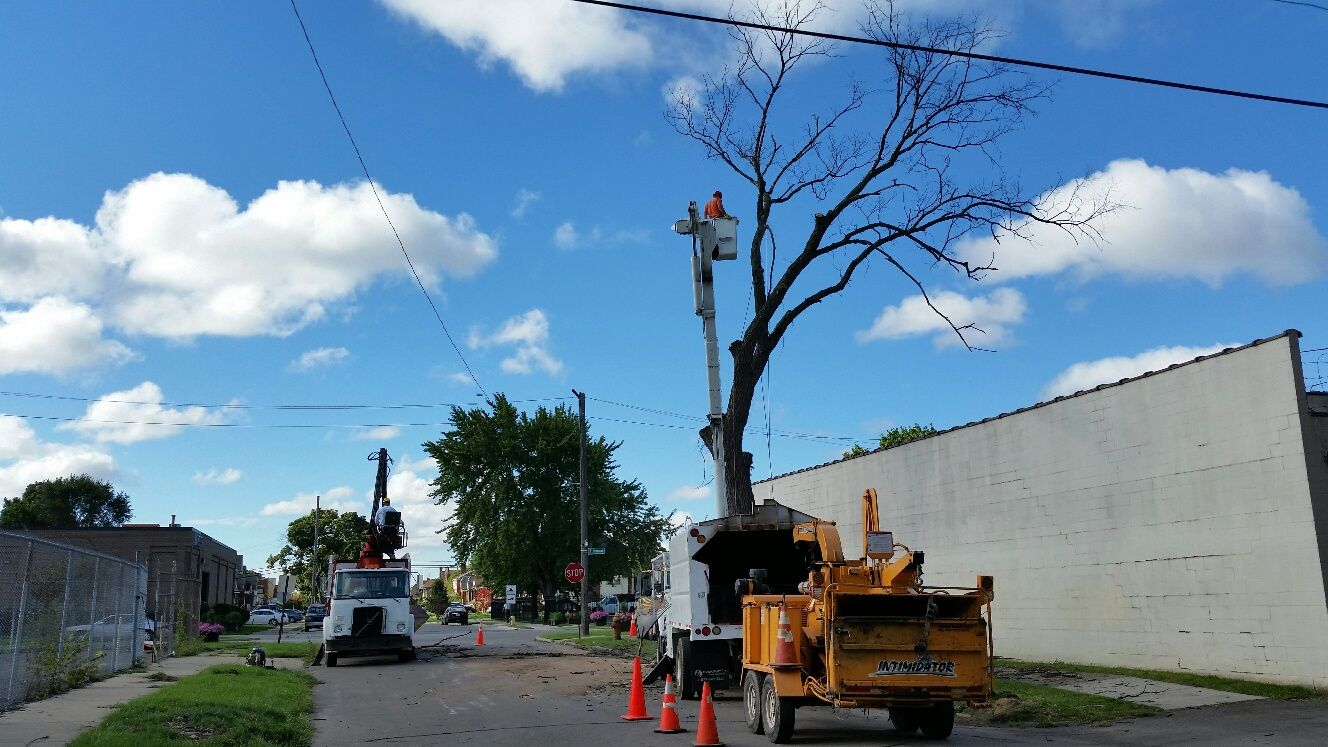
South Bend Expert Tree Service removes dead and hazardous trees in South Bend, IN, from dead ash to silver maples splitting at a weak crotch. Dead wood gets judged from the ground before anyone ties in, and pieces come off from a bucket or a crane when it will not hold a climber. Homeowners in Niles, Buchanan, New Carlisle, Plymouth and La Porte call us for the same work.
Request a quote
Tell us which tree and what worries you about it, and expect a call back.
Dead trees seldom give you a final date for when they're going to crack apart or fall over. If part of the top of the tree stays bare this year, or bark is falling away in plates, you should definitely have it looked at before the winter snow hits.
- Brittle wood judged before anyone climbs
- Dead limbs roped down, never dropped
- Oak wilt removals held to November through February
- The stump quoted separately
- One visit quoted for several dead trees
Estimate your tree removal cost
Typical prices per tree for South Bend jobs, from the source below. Your quote follows a look at the job.
| Type | Per tree |
|---|---|
| 20 ft | $230 to $440 |
| 30 ft | $340 to $660 |
| 40 ft | $460 to $870 |
| 50 ft | $570 to $1,090 |
| 60 ft | $680 to $1,310 |
| 70 ft | $800 to $1,530 |
| 80 ft | $910 to $1,750 |
$230 to $440
Call (574) 406-9782 for your priceAt a glance
| Cost by height | $230 (20 ft) to $1,750 (80 ft) a tree |
|---|---|
| Typical removal | About $1,100; most $400 to $1,800 |
| Dead trees | Often cost more: brittle limbs need extra care |
| Stump | Extra; one stump $190 to $325 |
| Tree lawn trees | Free city permit; the City Forester looks at the tree first |
Dead and Hazardous Tree Removal Services
Dead Ash Tree Removal
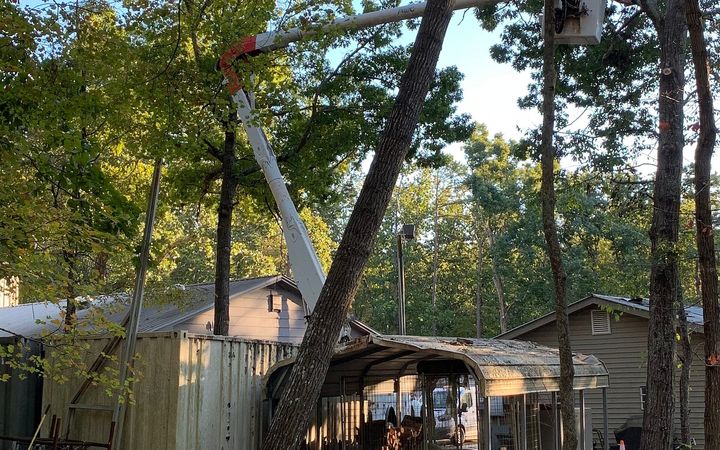
Emerald ash borer has been found in every one of the state's 92 counties since 2004, and infested ash loses strength from the first year. We won't send a climber into an ash missing a fifth of its crown. The saw goes up in a bucket instead.
Leaning Tree Removal
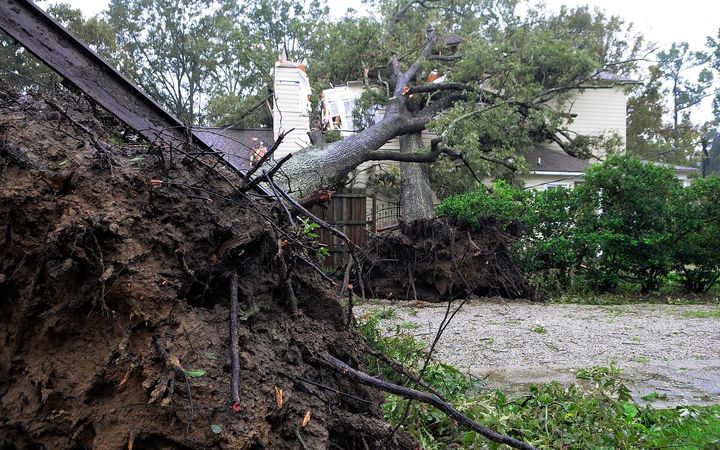
A forty-year lean has usually built the wood to carry it. Worry about a lean that changed: Most guides draw the line at a sudden shift or 15 degrees. Cracked soil on the opposite side means the roots are moving.
Split Trunk and Cracked Tree Removal
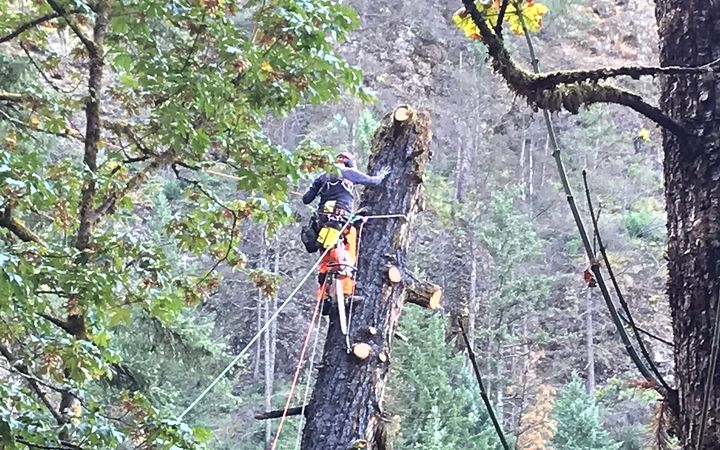
Silver maple, common on South Bend streets, has weak wood that often forks from one tight V. A crack caught early can sometimes be cabled. One that reaches the root flare rarely can.
Oak Wilt Tree Removal
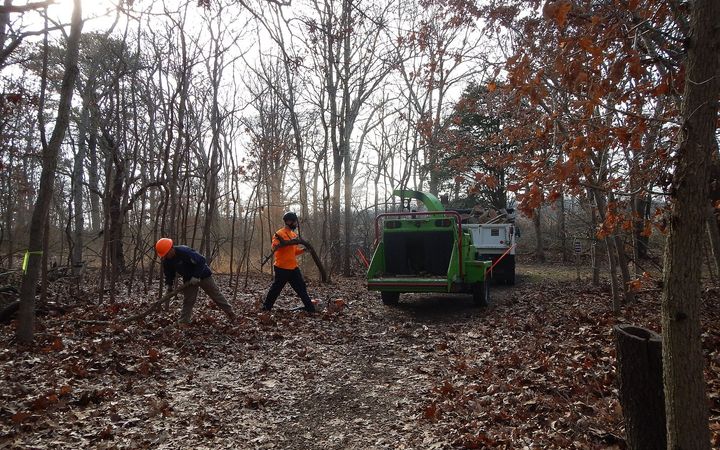
Oak wilt is in most Indiana counties, and red oaks can die within a summer. Beetles carry it to fresh cuts, so a dead red oak comes down between November and February.
Hollow and Rotting Tree Removal
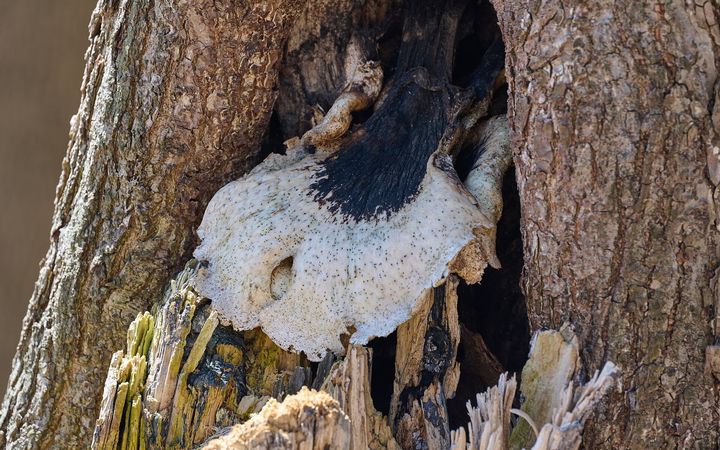
Decay can hide in a trunk that still leafs out. Fungus at the root flare usually means root rot. A mallet finds the hollow by its dull thud. A thick shell can stand for years; a thin one over a driveway shouldn't.
How Do You Know a Tree Is Dead or Dangerous?
Check it in late spring, once neighboring trees of its species have leafed out. A crown still bare, bark peeling away in slabs, or a new split in the trunk, all count. An assessment is worth booking once half the canopy is dead. What sits under the tree decides the timing: open lawn can wait for winter, a roof or a parked car cannot. Already down? That’s emergency and storm tree removal.
How a Dead Tree Comes Down
- Sound it and read the lean. A mallet on the trunk and a look at the soil decide whether anyone climbs at all.
- Mark a wide drop zone. Brittle limbs break and bounce, so the landing area runs wider than the trunk’s height.
- Bring the top down in short pieces. From a bucket truck or a crane, each piece rides a lowering line. No free drops near a house.
- Pull the trunk over. Dead fibers can tear early, so a rope on a ratcheting puller steers the fall instead of the hinge.
- Clean up to the agreement. Logs, chips and the stump are settled in writing before the first cut.
What Does Dead Tree Removal Cost in South Bend?
Dead trees cost more to remove than live ones of the same height, because brittle limbs need extra rigging. Wisconsin’s forestry division says an infested ash can cost double to remove, and triple once it has died.
| Dead tree job | Range | Priced per |
|---|---|---|
| Removal, about 30 feet | $340 to $660 | Tree |
| Removal, about 50 feet | $570 to $1,090 | Tree |
| Removal, about 70 feet | $800 to $1,530 | Tree |
| Ash tree, national range | $650 to $2,000 | Tree |
| Dead ash | Up to 3 times a sound tree | Tree |
| Stump grinding, first stump | $190 to $325 | Visit |
Removal by height: South Bend figures (March 2025), for sound trees. Ash: national. Dead ash: Wisconsin DNR Forestry News (2021). Stump: zip 46601, September 2026. Market ranges, not our price list.
- How brittle the wood is. If a climber can still tie in, the job is cheaper than one needing a lift truck or crane.
- What sits under it. A roof or a service drop means every piece gets rigged down.
Dead and Hazardous Tree Removal in nearby areas
Get a quote on your dead and hazardous tree removal
Tell us the species if you know it, roughly how tall it is and what sits under it. Someone rings you back with what the job likely involves and what moves the price.
Dead and Hazardous Tree Removal FAQs
Do I need a permit to remove a dead tree in South Bend?
Yes, for a tree in the grass strip between the curb and the sidewalk, the city will want a permit before it is cut. The City Forester will take a look at the tree first, and that can take some of the guesswork out of whether it should be trimmed or taken out. The permit is free. A tree inside your own lot will not need a city permit.
My neighbor's dead tree hangs over my house. Who pays if it falls?
If it was only wind, ice or a severe storm, your own insurance typically pays for the damage on your side. The neighbor could be liable if they neglected the tree while it was plainly dying. It's always a good idea to put what happened in writing and have photos that are dated. This is general information and not legal advice; a real dispute would be handled by your insurer or a lawyer.
Will homeowners insurance pay for dead tree removal?
Homeowners insurance companies typically will not pay for dead tree removal, as they look at it as upkeep. If the tree or branches land on a covered building, like the house or a detached garage, the policy can typically put $500 to $1,000 per tree toward the removal. A tree out in the open lawn that comes down is almost never covered and will have to be handled 100% by the homeowner.
Is my tree dead or just dormant?
A good way to check if your tree is dead or dormant is to check the buds. Live buds are firm and plump; dead ones are hard and dry and usually crumble when you rub them back and forth. If it's getting leaves much later than surrounding trees of the same kind, the tree is most likely in decline.
Can I cut down a small dead tree myself?
It's fine to cut down a small dead tree yourself, as long as it can fall inside your lot with plenty of room to spare and nothing under it. If it needs a ladder and a chainsaw at the same time, it's time to call a tree service that does this all the time for a living.
Can I keep the wood for firewood?
Yes, you still own that tree and have to deal with it. Just ask the tree service to cut it in lengths that fit your splitter or fireplace and have it stacked where you want to store it. Firewood brought onto state property is still restricted, so leave the ash at home when you're camping at a state park.
Request a quote
Calling (574) 406-9782 is the quicker way to talk about the tree. Or describe it below and we will ring you back.